ArtGeneration Initiative
GARDEN DA VIDA
For artists, writers and composers of past eras, gardens were much more than decorative outdoor spaces. They served as places of retreat, landscapes of thought and living studios – places where art, nature and intellectual work merged with each other. The "GARDEN DA VIDA" project builds on this tradition and transforms it into a contemporary form.
Based on historical models such as Claude Monet's Garden in Giverny, Jules Verne, Agatha Christie's Greenway or Zola's and Goethe's Gardens, newly designed garden spaces are created that combine biographical, artistic and botanical levels. The historic gardens are not reconstructed, but interpreted: as narrative landscapes that make the ways of thinking, motives and attitudes of their protagonists spatially tangible.
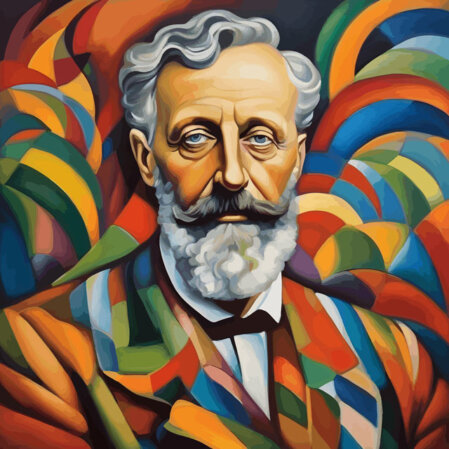
Abbildungen: www.JimiZ.de



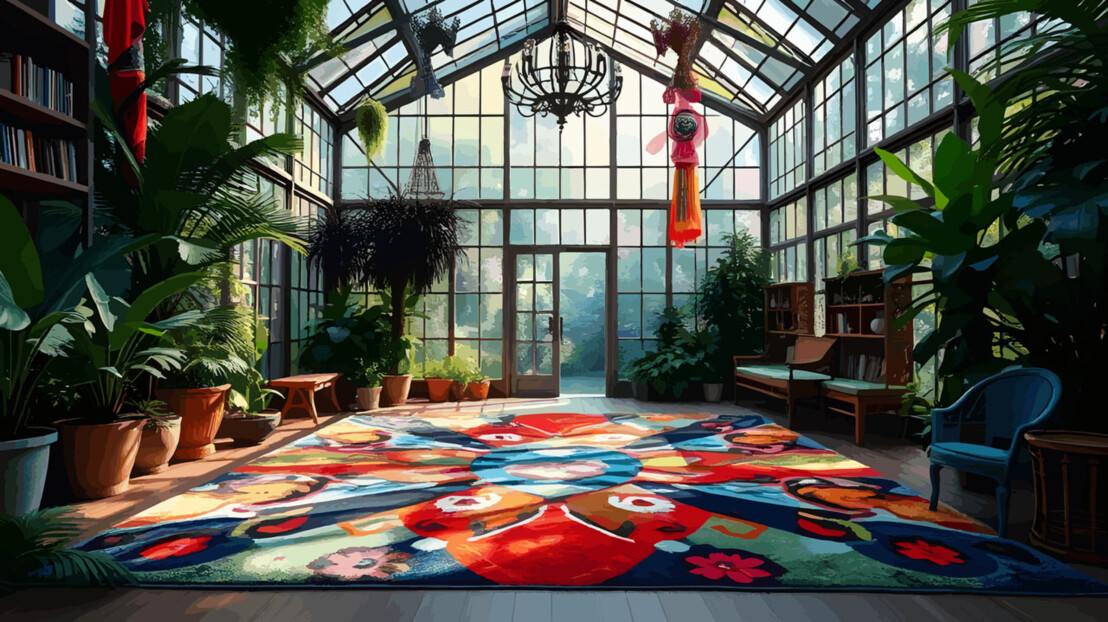
The central element of the concept is smart technology event greenhouses, which act as an interface between the past and the present. Equipped with intelligent climate and lighting control, interactive media surfaces and adaptive architecture, they become multifunctional spaces for readings, concerts, exhibitions, artistic residencies and discourse formats. Plants, sound, light and digital content react to environmental conditions and visitor movements, making the creative process itself an experience.
Thematically, the gardens are divided into different typologies: from the picturesque colour and water garden to the literary retreat, the futuristic mysterious garden of science fiction literature to the communal, experimental garden or spiritual-symbolic landscapes. Each garden is dedicated to a historical personality or movement and is at the same time linked to a current social or cultural theme – such as perception, deceleration, community or sustainability.


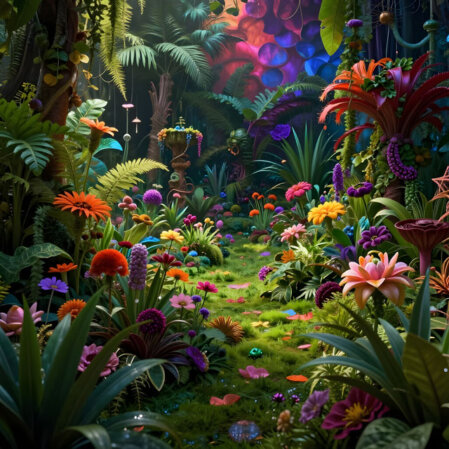

Abbildung: www.S46rz.space
"GARDEN DA VIDA" sees itself as a new form of cultural mediation beyond classic museum spaces. The project combines garden art, literature, music, architecture and digital technology to create a cultural space that can be used all year round and enables both contemplation and exchange. It is aimed at a broad audience interested in culture.
With this approach, the garden once again becomes what it has always been for many creative people: a place of inspiration, reflection – and creative freedom.
Baum-Klimat – Sponsorships for climate-resilient trees
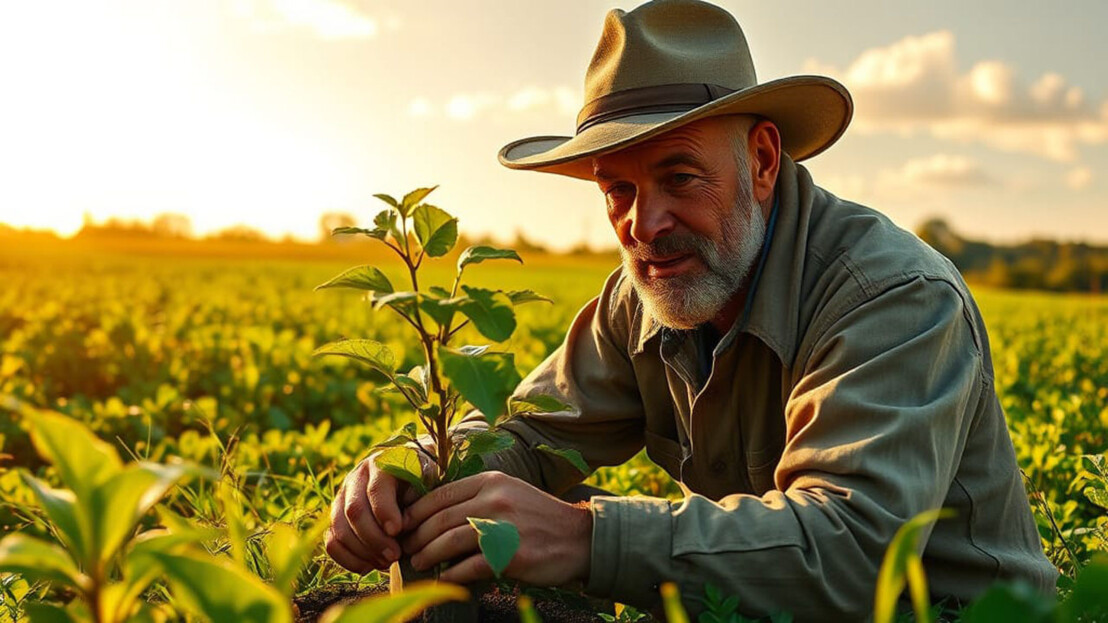
“Baum-Klimat” is a word created from the German ‘Baum’ (tree) and the Swedish “Klimat” (climate) and stands for our sponsorships in favor of climate-resistant trees.
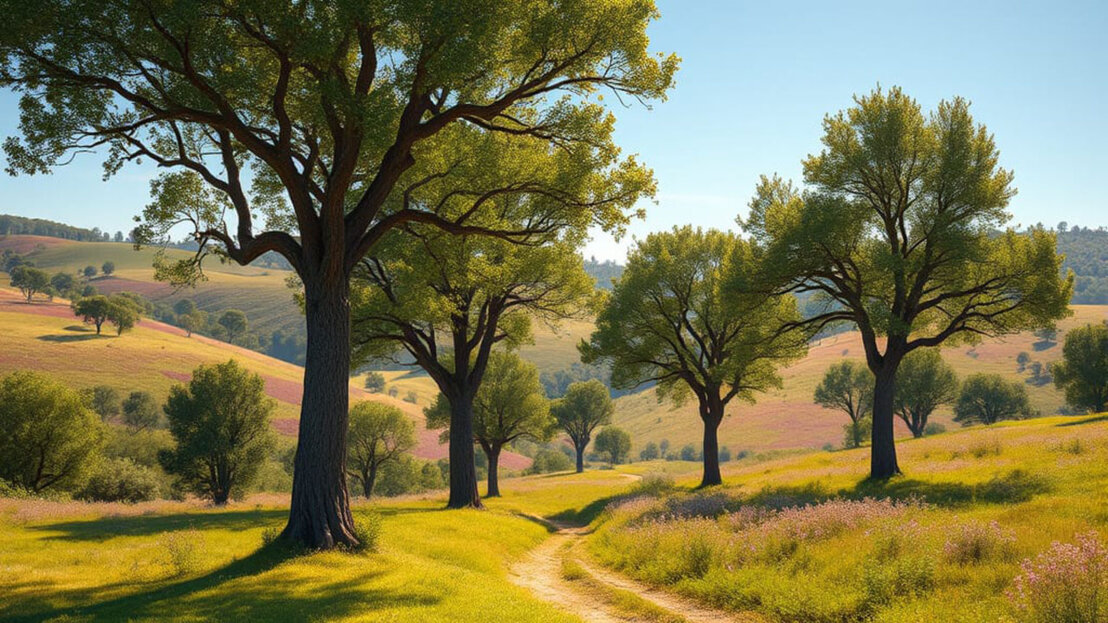
These trees are planted in regions with sparse vegetation as part of the ArtGeneration projects, GARDEN DA VIDA themed gardens, and parks, thereby making an active contribution to protecting the climate, flora, and fauna. The trees also offer a wide range of benefits, whether through their wood, fruit, or medicinal uses (e.g., juices).
Our Climate-Resilient Tree Species
Southern Hackberry (Celtis australis)
A medium-sized tree with smooth bark, resilient leaves, and edible fruits. Native to Southern Europe and North Africa, its wood was traditionally used for making musical instruments and wagon wheels.
Honey Locust (Gleditsia triacanthos)
Also known as honeythorn or leatherwood tree, this species belongs to the legume family and is renowned for its exceptional resilience.
Willow-Leaved Pear (Pyrus salicifolia)
A pear species with narrow, silvery leaves. Hardy, drought-tolerant, and ideal for dry climates.
Manna Ash (Fraxinus ornus)
Manna Ash (Fraxinus ornus)
Famous for its sweet sap (“manna”), which has medicinal properties. Especially significant in Southern Italy.
Cork Oak (Quercus suber)
A symbol of the Mediterranean, known for its thick cork bark, which is harvested sustainably. Cork oak forests provide essential habitats for many species.
Holm Oak (Quercus ilex)
An evergreen Mediterranean tree, naturalized in South America and California. Valued for its hard wood and high drought resistance.
Olive Tree (Olea europaea)
Cultivated for thousands of years, providing olives and oil while shaping entire landscapes.
Pawpaw (Asimina triloba)
Also known as the “Indian banana,” this North American tree produces sweet, exotic fruit and is extremely robust.
Persian Ironwood (Parrotia persica)
A small tree from Western Asia, known for its striking autumn colors and early spring blooms.
Sweet Chestnut (Castanea sativa)
A large tree that thrives in warm climates, producing edible chestnuts and withstanding heat, drought, and storms.
Field Maple (Acer campestre)
A highly adaptable climate tree with beautiful fall foliage. Resilient, frost-hardy, and resistant to heat and wind.
Cork Oak (Quercus suber)
A symbol of the Mediterranean, known for its thick cork bark, which is harvested sustainably. Cork oak forests provide essential habitats for many species.
Holm Oak (Quercus ilex)
An evergreen Mediterranean tree, naturalized in South America and California. Valued for its hard wood and high drought resistance.
Olive Tree (Olea europaea)
Cultivated for thousands of years, providing olives and oil while shaping entire landscapes.
Pawpaw (Asimina triloba)
Also known as the “Indian banana,” this North American tree produces sweet, exotic fruit and is extremely robust.
Persian Ironwood (Parrotia persica)
A small tree from Western Asia, known for its striking autumn colors and early spring blooms.
Sweet Chestnut (Castanea sativa)
A large tree that thrives in warm climates, producing edible chestnuts and withstanding heat, drought, and storms.
Field Maple (Acer campestre)
A highly adaptable climate tree with beautiful fall foliage. Resilient, frost-hardy, and resistant to heat and wind.
All these trees have been carefully selected for their climate resilience and multiple uses.